

How to Clean a Leather Handbag
Key Takeaways
-
Most smooth leather handbags purchased between 2015 and 2025 can be safely cleaned at home using a soft cloth, mild soap, and a dedicated leather conditioner without risking damage.
-
Always start by emptying your bag completely, cleaning the inner lining, and performing a spot test on a hidden corner before treating the entire surface.
-
Different stains require specific approaches: ink stains need careful dabbing with rubbing alcohol, grease stains respond to cornstarch or talcum powder, and water spots often need gentle blending rather than aggressive scrubbing.
-
Avoid soaking leather, using harsh chemicals like bleach or ammonia, scrubbing hard, and drying near direct heat sources like radiators or hairdryers.
-
Establish a routine of light cleaning weekly, deeper cleaning every 3–6 months, and proper storage in a dust bag to keep your leather handbag looking new for years.
Why Cleaning Your Leather Handbag Matters
A quality leather handbag is more than just an accessory – it carries both monetary and sentimental value. Whether you bought it recently from a boutique in Dublin or inherited a vintage piece from the 1990s, taking care of it properly protects your investment.
-
Studies from luxury resale platforms show:
-
Professionally maintained bags retain around 70% of their value after five years.
-
Neglected bags may only retain about 40%, potentially losing hundreds of euros in value.
-
-
Proper care is therefore one of the smartest investments for any leather handbag owner.
Proper leather care involves:
-
Gentle surface cleaning to remove everyday dirt
-
Targeted treatment for stains
-
Regular conditioning to maintain suppleness
-
Correct drying and storage to prevent damage
This routine helps preserve the natural oils, texture, and rich appearance that make your handbag special.
Even better, maintaining your handbag doesn’t require expensive equipment or professional training. By following some simple guidance, you can ensure your leather items remain in top condition. This guide will cover:
-
Key tools and products for cleaning and conditioning
-
How to care for different leather types
-
Signs that professional cleaning or repair is recommended

What You’ll Need to Clean a Leather Handbag
Before you begin any cleaning session, gathering the right tools makes the process faster and significantly safer for delicate leathers. Having everything within reach means you can work efficiently without leaving your bag exposed to cleaning solutions for too long.
Essential cleaning tools:
-
Soft microfiber cloth (at least 3–4 white ones to avoid dye transfer)
-
Soft bristled brush for dusting and suede care
-
Cotton swab for targeted stain treatment
-
Lint roller for interior cleaning
-
Small handheld vacuum with fabric attachment
Safe cleaning products:
-
Mild soap without dyes or strong perfumes
-
Dedicated leather cleaner (foam formulas work particularly well)
-
Leather conditioner or leather cream for aftercare
-
Optional waterproofing protective spray for finished surfaces
Household items for specific stains:
-
Cornstarch or talcum powder for absorbing oil and grease stains
-
Baking soda for stubborn grease spots
-
White vinegar (diluted) for certain water marks and mild mold issues
-
Rubbing alcohol (only for patent leather or coated surfaces)
Items to keep away from your leather:
-
Bleach and ammonia-based cleaners
-
Baby wipes and all-purpose household sprays
-
Rough sponges and stiff brushes
-
Colored cloths that might transfer dye

Step‑By‑Step: How to Clean a Leather Handbag at Home
This section provides a simple, repeatable routine that works for most smooth leather handbags, including full grain leather, top grain, and genuine leather varieties. Following these steps every few months will keep your bag in excellent condition without over-treating the material.
Step 1: Empty and Inspect
Remove absolutely everything from your bag, including small receipts tucked into pockets, loose coins, and forgotten tissues. Open all zippers and compartments, then turn the bag upside down and gently shake it over a trash bin to dislodge debris. For deeper crevices, use a handheld vacuum with a fabric attachment to capture dust and crumbs that shaking misses.
Take this opportunity to inspect the entire surface of the bag. Look for stains, scratches, dry patches, or areas where the leather appears worn. Noting these areas now helps you pay extra attention during the cleaning process.
Step 2: Clean the Interior Lining
The interior lining often harbors more dirt than the exterior, especially in bags used daily for work or travel. If your bag has a fabric lining that pulls out partially, do so to access more surface area. Run a lint roller over the entire inner lining to capture crumbs, dust, and small debris. Research shows this method removes up to 95% of loose particles.
For small stains on fabric linings, dampen a clean cloth with warm water and a few drops of mild soap solution, then gently wipe the affected area. Avoid saturating the fabric, as excess moisture can seep into the leather and cause damage. Allow the lining to air dry completely before proceeding.
Step 3: Dust and Wipe the Exterior
Begin with a dry microfiber cloth to remove surface dirt from the entire surface of the leather. Use gentle, sweeping motions that follow the grain of the leather. For textured areas or around hardware, a soft bristled brush helps lift dust from crevices.
Next, prepare a mild soap solution using warm water and a tiny amount of mild soap. Dip a soft cloth into this cleaning solution, then wring it out thoroughly until it is only slightly damp. The cloth should feel almost dry to the touch. Gently wipe the leather in small sections using light circular motions. Change to a clean section of the cloth frequently to avoid redistributing dirt.
Important: Never soak the leather or use more than a teaspoon of solution per square foot. Foam-based commercial leather cleaners are excellent alternatives because they lift dirt without excessive moisture penetration.
Step 4: Rinse and Dry
Once you have cleaned the entire bag, take a separate microfiber cloth dipped in plain water and wring it out thoroughly. Use this slightly damp cloth to gently wipe away any soap residue from the leather surface. This step prevents buildup that can dull the finish over time.
Immediately follow with a dry cloth to remove excess moisture. Pat rather than rub, working across the bag gently until the surface feels dry to the touch. Place the bag in a well-ventilated area away from direct sunlight and direct heat sources, and let it air dry naturally. This process typically takes 24–48 hours depending on humidity levels.
Step 5: Condition the Leather
Once your bag feels completely dry, it is time to apply leather conditioner. This step is crucial because cleaning strips away some of the leather’s natural oils, and conditioning restores that moisture to prevent drying and cracking. Studies on leather deterioration show that unconditioned hides can lose up to 20% of their flexibility within months.
Apply a small amount of leather cream or conditioner to a soft cloth. Work it into the leather using circular motions, paying extra attention to high-wear areas like handles, corners, and the base. Use thin, even layers to avoid making the leather soft in a sticky or patchy way. Allow the conditioner to absorb for about 20 minutes before proceeding.
Step 6: Final Buff and Shape
After the conditioner has had time to penetrate, gently buff the entire handbag with a dry microfibre cloth to restore its natural sheen. This step also removes any excess conditioner that did not absorb.
Finally, stuff your bag gently with acid free tissue paper or clean cotton towels to help it hold its shape while resting. Proper stuffing prevents creasing and distortion, which restoration experts note affects approximately 30% of improperly stored luxury bags. Store the bag upright in its dust bag until you are ready to use it again.
Throughout this process, remember:
-
Never scrub aggressively
-
Avoid colored cloths that might transfer dye
-
Always spot-test any cleaning solution on a hidden area first
Tackling Common Stains on Leather Handbags
Most everyday stains on leather bags, from ink marks to coffee spills, can be significantly improved at home if you treat them quickly and use the correct approach. Speed matters because fresh stains sit on the surface longer before penetrating the pores.
Before attempting stain removal, remember that unfinished, very delicate, or vintage leathers may react unpredictably to home treatments. The following advice applies primarily to finished smooth leather commonly used in handbags from major brands. Always blot rather than rub, and apply products with cotton swabs or small sections of a clean cloth to control the treatment area.
After any stain treatment, allow the leather to dry naturally and then apply leather conditioner to the affected area. This final step restores moisture and reduces the risk of the treated spot becoming dry or discolored compared to surrounding leather.
Ink Stains from Pens and Markers
Ink stains from ballpoint pens or markers rank among the most challenging marks to remove completely. These often occur when a pen leaks in your bag during a commute, flight, or busy workday.
For finished leather only, use a cotton swab lightly dampened with rubbing alcohol or a dedicated ink remover. Dab carefully from the outer edge of the stain toward the center, using minimal product and short contact time. Change to fresh cotton swabs frequently to avoid spreading the ink further across the surface.
Caution: On aniline, unfinished, or very coloured leathers, DIY ink removal can cause lighter patches or discolouration. For these materials, professional cleaning is usually the safer choice.
Allow the treated area to dry naturally after treatment, then apply leather conditioner to counteract any drying effects from the alcohol. Multiple light treatments often work better than one aggressive attempt.
Water Spots and Rain Marks
Rain showers, spilled water bottles, or melting snow can leave ring-shaped water stains on leather if the moisture dries unevenly. These marks appear because the edges of the wet area dry at a different rate than the center.
If your bag gets wet, the immediate response matters most. Gently blot fresh moisture with a dry cloth without rubbing, then allow the leather to air dry away from direct heat. Do not attempt to speed up drying with hairdryers, radiators, or placing the bag in direct sunlight, as this causes stiffness and cracking.
For existing water rings, try a blending technique: lightly dampen the surrounding leather with a slightly damp cloth so the entire area dries evenly. This often makes the mark far less visible. Stubborn water marks may benefit from a small amount of leather cleaning solution followed by conditioner, though they may not vanish entirely. Prevention through waterproofing protective spray helps reduce future occurrences.
Oil, Grease, and Hand Cream Stains
Oils from hand cream, sunscreen, makeup, and food commonly appear on handles and bottom corners of bags used daily. These grease stains require a different approach than water-based stains.
Critical first step: Do not use water on fresh grease stains. Water can drive oil deeper into the leather, making removal more difficult.
Instead, gently blot any excess with a dry cloth. Then sprinkle cornstarch, talcum powder, or baking soda generously over the stain. Leave this powder overnight to absorb the oil through capillary action. The next morning, brush off the powder gently with a soft bristled brush.
Repeat this process once or twice for persistent spots. For stubborn stains that remain after powder treatment, test a dedicated leather degreaser or a very dilute white vinegar solution on a hidden area. Follow with leather conditioning once the area is completely dry.
Mud, Dirt, and Everyday Grime
Muddy splashes from rainy walks, dust from city streets, and grime where the bag rubs against clothing are unavoidable for bags in regular rotation.
When dealing with wet mud, resist the urge to wipe immediately. Let the mud dry completely first, which makes it much easier to brush off without smearing. Once dry, gently remove the dirt with a soft bristled brush, brushing in one direction.
After brushing, gently wipe the area with a microfiber cloth dipped in water with a tiny amount of mild soap if needed. Built-up grime on handles or the back of the bag responds well to regular cleaning and occasional use of a dedicated leather cleaner.
As always, let the bag dry naturally and finish with a thin layer of conditioner to keep the leather soft and supple.
Makeup, Food, and Coloured Liquid Spills
Lipstick, foundation, coffee, red wine, and soft drinks create some of the most panic-inducing stains, especially on light leather. Speed is absolutely essential here.
Blot spills immediately with a dry cloth, pressing and holding rather than wiping. This lifts as much liquid as possible before it penetrates. Then clean the remaining mark with a damp cloth and mild soap or a leather-safe cleaning solution, using small circular motions and minimal moisture.
For white leather specifically, very gentle use of a diluted vinegar and olive oil mixture or a dedicated light-leather cleaner can help. However, always test first, as some home remedies can darken certain leathers.
If a stain has fully set over months, such as old wine or food stains, professional cleaning becomes the safest option to avoid making the damage worse.

Understanding Leather Types and What That Means for Cleaning
Not all leather purse materials are created equal. Full grain, top grain, genuine, suede, nubuck, and patent leather each react differently to water, soap, and cleaning products. Using the wrong method on the wrong leather type can cause permanent damage.
Before cleaning any leather bag, check the care card, brand website, or purchase documentation. Designer bags purchased between 2018 and 2024 typically include care instructions that should take priority over general advice. When in doubt, start with the gentlest method possible and test on an inconspicuous area.
If your bag has a special coating, printed finish, or exotic leather like snakeskin, follow manufacturer instructions exclusively. Generic cleaning advice may not account for these specialised materials.
Full Grain and Top Grain Leather Handbags
Full grain leather represents the highest quality, keeping the natural grain surface intact. This leather develops a rich patina over time and appears on premium handbags from luxury and heritage brands. Top grain leather is slightly sanded for a more uniform appearance but remains high quality.
Both types tolerate gentle cleaning with mild soap and water or a dedicated leather cleaner, following the main step-by-step routine described earlier. They absorb cleaners more deeply than coated leathers, so keeping moisture minimal is essential.
Regular leather conditioning prevents dryness, especially around base corners and strap attachments where wear concentrates. Scratches on full grain often blend naturally into the patina over time, and light buffing with conditioner can soften their appearance significantly.
Genuine Leather and Corrected Grain Handbags
The term genuine leather and corrected grain describe more affordable leathers with surface treatments that create a smoother, more uniform appearance. These materials are common in mid-range handbags from high-street stores and online retailers.
These leathers generally respond well to gentle soap-and-water cleaning, but overdrying or using harsh chemicals can quickly dull the protective finish. Apply leather conditioner in thin, even layers to avoid creating a sticky or patchy surface texture.
Deep recolouring and repair of these materials is often best handled by professionals, particularly for heavily used everyday work bags where wear has accumulated over years.
Suede and Nubuck Handbags
Suede and nubuck have a soft, velvety nap created by raising the leather fibers. These materials require completely different care than smooth leather and should never be cleaned with water and regular soap.
Recommended tools for suede:
-
Suede brush for refreshing the nap
-
Suede eraser for lifting marks
-
Specialty suede cleaner for deeper stains
For light water spots or gentle dirt, careful brushing once the material is completely dry often improves the appearance significantly. Never rub suede with wet cloths or apply oil-based conditioners, which create dark, shiny patches that cannot be reversed.
Large oil stains or severe discolouration on suede or nubuck handbags warrant professional help to avoid permanent damage.
Patent and Coated Leather Handbags
Patent leather features a high-shine glossy coating, often appearing on evening bags and clutches. This finish was particularly popular in capsule collections between 2018 and 2023.
The coated surface makes patent leather relatively easy to clean. Gently wipe with a slightly damp cloth and a drop of mild soap, then buff dry with a dry microfibre cloth to restore shine. Small scuffs may improve with gentle buffing and sometimes a dedicated patent leather product.
Because the surface is coated rather than porous, a tiny amount of rubbing alcohol on a cotton swab can be used more safely here than on natural leather, but always test first in a hidden area.
Storage note: Patent bags should be stored so they do not touch other patent items or plastic bags, which can cause the surfaces to stick together and cause irreversible damage.
How Often Should You Clean and Condition a Leather Handbag?
Frequency depends on several factors: your climate, how often you carry the bag, and the conditions it encounters. A bag used daily for urban commuting needs more attention than one reserved for special occasions.
Recommended maintenance schedule:
Usage Level and Cleaning Frequency:
-
Daily use:
-
Light cleaning: Weekly wipe-down
-
Deep clean & condition: Every 3 months
-
-
Regular rotation:
-
Light cleaning: Bi-weekly wipe-down
-
Deep clean & condition: Every 4–6 months
-
-
Occasional use:
-
Light cleaning: Monthly inspection
-
Deep clean & condition: Every 6–12 months
-
Handbags exposed to heavy city pollution, frequent rain, or strong sun may need more frequent care. Conversely, bags stored properly between uses require less intervention.
Warning: Over-cleaning or over-conditioning saturates leather and can actually attract more dirt. Small, regular care proves more effective than aggressive occasional scrubbing. Industry experts recommend deep cleaning no more than once yearly for most genuine leather bags.
Inspect high-wear areas monthly, including handles, the base, and the back side. Acting early on small marks or signs of dryness prevents larger problems from developing.
Common Mistakes to Avoid When Cleaning Leather Bags
Many damaged handbags result from well-intended but incorrect DIY cleaning methods. Understanding what not to do is just as important as knowing the proper techniques.
Products to never use on natural leather:
-
Bleach or ammonia-based cleaners
-
Bathroom cleaning sprays
-
Baby wipes (contain oils and chemicals that damage leather over time)
-
Undiluted vinegar
-
Acetone or nail polish remover
Damaging techniques to avoid:
-
Soaking leather in water or using excessive moisture
-
Scrubbing with stiff brushes, rough sponges, or abrasive materials
-
Using colored cloths that transfer dye to the leather
-
Rubbing stains aggressively instead of blotting
Drying errors that cause permanent damage:
-
Placing bags near radiators or heaters
-
Using hairdryers to speed drying
-
Leaving bags in direct sunlight, which fades color by up to 30% annually
Storage mistakes:
-
Sealing handbags in plastic bags, which traps humidity
-
Storing bags while still damp after rain exposure
-
Stacking heavy bags on top of soft leather totes
Storing and Protecting Your Leather Handbag After Cleaning
Good storage after cleaning is as important as the cleaning itself for long-term durability. A properly stored bag maintains its shape, color, and suppleness far longer than one tossed in a closet carelessly.
After cleaning, allow your bag to air dry completely before storing. This typically means waiting 24–48 hours in a well-ventilated space away from direct heat. Once fully dry, stuff the interior lightly with acid free tissue paper or soft cotton towels to support the bag’s natural shape.
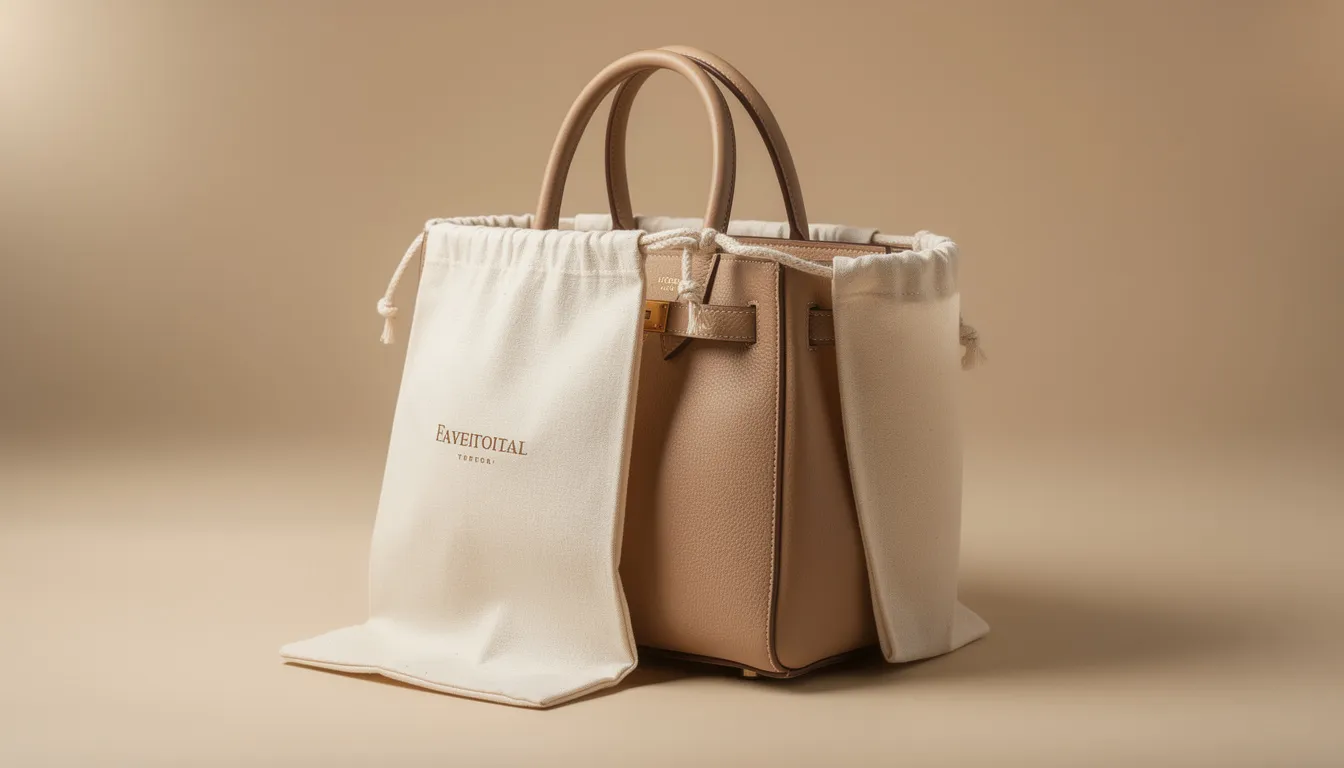
Store the bag upright in a breathable dust bag or cotton pillowcase. Avoid plastic bags, which trap moisture and can cause mold growth. Position the bag away from direct sunlight, radiators, and damp corners of closets.
For long-term storage, wrap metal hardware in small pieces of tissue paper to prevent impressions and scratches on adjacent leather surfaces. This simple step preserves both the hardware and the leather it touches.
Consider rotating your handbags so the same one is not used every single day. Giving leather time to rest between uses allows it to recover from compression and wear, extending the lifespan significantly.
When to Contact a Professional Leather Specialist
Contact professional leather services in Ireland when:
-
Stains are persistent or cover large areas.
-
Water damage, mould, or moisture-related issues are present.
-
Colour loss, fading, or cracking is noticeable.
-
Structural issues like torn stitching or damaged handles appear.
Reputable specialists in Dublin, Cork, and Galway offer services including deep cleaning, recolouring, reconditioning, and repairs. Documenting damage and consulting experts ensures your handbag is restored safely and professionally.
FAQ: Cleaning and Caring for Leather Handbags
Can I clean my leather handbag with baby wipes or household cleaning wipes?
Baby wipes and most household wipes contain surfactants, oils, perfumes, and sometimes alcohol that can strip color, leave sticky residues, or dry out leather over time. For long-term care, they should be avoided in favor of a soft cloth dampened with plain water or a mild soap solution formulated for delicate surfaces.
While using a wipe once in an emergency is unlikely to immediately ruin your bag, regular use causes visible dullness and texture changes that accumulate over months.
Is it safe to put my leather handbag in the washing machine?
Leather handbags should never be machine washed, even on gentle cycles. Soaking and agitation warp the structure, shrink linings, crack the leather, and dissolve adhesives holding the bag together. Manufacturer guidelines from brands like Dooney & Bourke explicitly prohibit machine washing.
Always use hand-cleaning methods instead: targeted wiping with a damp cloth, careful stain treatment, and natural air drying as described in this guide.
How can I stop the color from my clothes transferring onto my leather bag?
Dark denim and other strongly dyed fabrics frequently transfer pigment onto light leather, particularly on the lower back panel of crossbody bags. Pair light leather handbags with lighter clothing when possible, and avoid friction against new dark jeans during their first several wears when dye transfer is highest.
A protective leather cream or color-safe waterproofing spray creates a barrier that reduces absorption. Wipe your bag regularly with a dry cloth to remove early transfer before it sets permanently.
What should I do if my leather handbag gets moldy in storage?
Mold typically develops after a bag has been stored while damp or in a humid closet, appearing as fuzzy or powdery patches with a musty smell. Move the bag to a well-ventilated area immediately. Outdoors, brush off surface mold with a dry cloth, then wipe the affected area with a very dilute water-and-white vinegar solution on finished leather only.
If mold is extensive, has reached the interior lining, or the leather feels soft and weakened, consult a professional leather cleaner for proper restoration rather than risking further damage.
Can I change or restore the color of a faded leather handbag at home?
Small touch-ups for scuffs using a color-matched leather cream or balm work reasonably well at home, especially on black or dark brown bags where matching is straightforward. However, full recoloring or dramatic color changes require professional dyes, spraying equipment, and sealing products that most home cleaners lack.
For bags from 2010–2020 with noticeable fading or large uneven patches of color loss, consult a leather specialist or contact the handbag’s brand to discuss restoration options.
